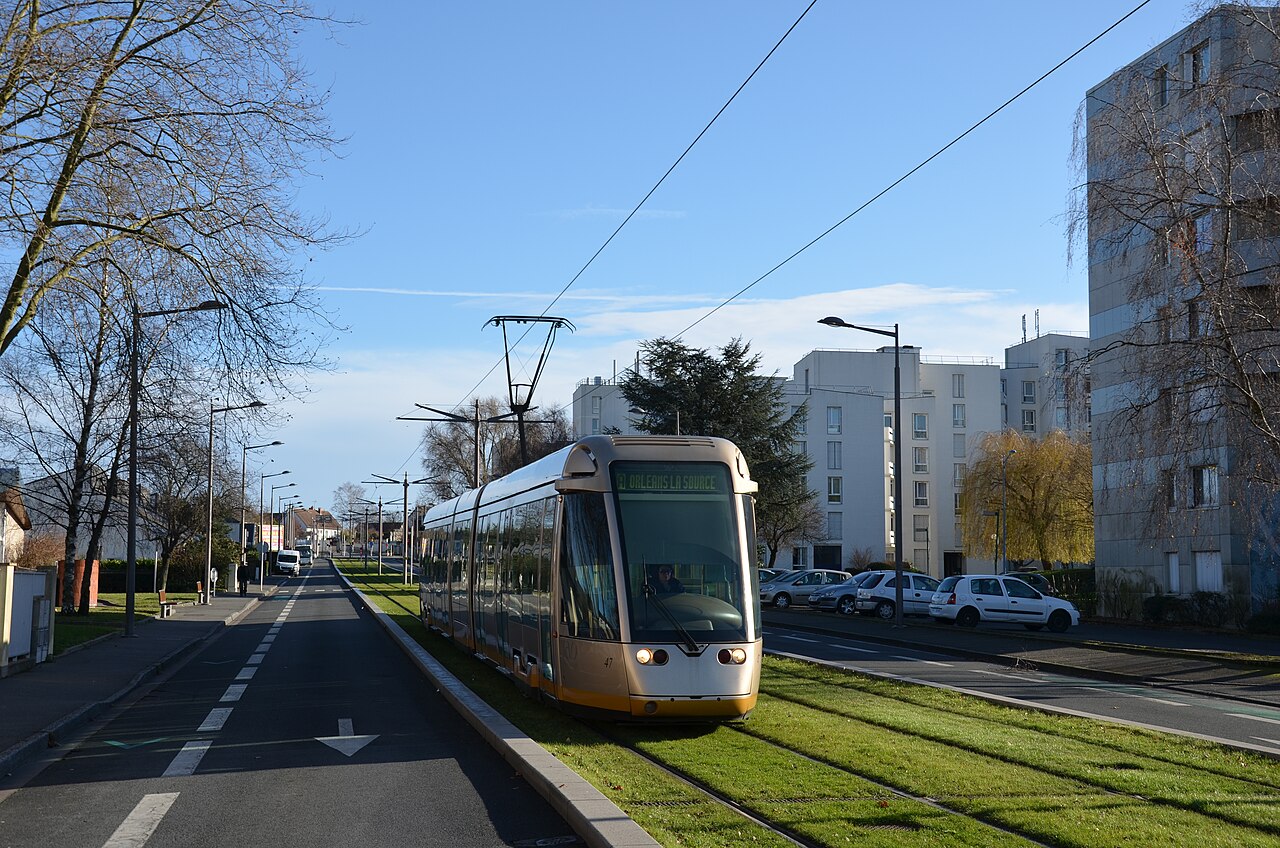
Image: Foto: Wikimedia Commons · License: cc-by-sa
The spring of VLTs: 9 projects that could transform urban mobility in Brazil
The spring of VLTs: 9 projects that could transform urban mobility in Brazil
Main source: Conheça 9 projetos de VLT no Brasil -, Ferrovias em construção no Brasil e concessões, Brasil tenta, de novo, expandir as ferrovias. Mas ainda falta combinar com os chineses · By The Rail Post Desk
National revival of modern trams combines urban requalification and modal integration.
Brazil is experiencing a rare moment of convergence in urban rail transport projects, with nine light rail (VLT) systems in various stages of development. Twelve years after the inauguration of the Rio de Janeiro VLT, a new wave of modern trams is spreading across the map and promises to reconfigure mobility in capitals and medium-sized cities.
Every great city reveals its intelligence by how it moves people, and the return of the light rail vehicle to Brazilian urban planning indicates a significant technical shift. It’s not about railway nostalgia, but about opting for a high-capacity, zero-emission mode that integrates finely with the street fabric.
Currently, the country operates two modern electric VLTs — the Rio de Janeiro one, with 28 kilometers and 42 stations, and the Baixada Santista one, linking Santos and São Vicente. Both have proven that silent, catenary-free trains can stitch together historic centers, waterfronts, and transport terminals efficiently, with aesthetic gains.
It is precisely this accumulated experience that feeds the new alignments, as pointed out by the portal Via Trolebus in its recent overview of ongoing projects. The nine planned corridors range from brief 5 kilometers in Niterói to robust 44 kilometers in Campinas, revealing a mosaic of scales and engineering solutions.
The São Paulo Tram, for example, wants to reclaim the expanded downtown with two lines between the central region and Bom Retiro, betting on electric versions or even hydrogen-powered alternatives. The city is also evaluating ART, a lightweight pneumatic vehicle that dispenses with metal rails and can reduce implementation costs without losing the quality of the segregated lane.
In the ABC Paulista region, Linha 14-Ônix imposes a leap in complexity by planning 32 kilometers between Guarulhos and Santo André, with 22 stations in a semi-segregated system. The route includes tunnels and elevated sections, and the concession is expected later this year, aiming for operation in the 2030s.
Campinas designs a 44-kilometer VLT with two 22-kilometer branches and 18 stations, connecting the TIC Eixo Norte innovation hub to the city center and Viracopos Airport. The tender should be issued in 2027, and the project serves as a backbone for metropolitan restructuring.
Sorocaba bets on a 25-kilometer, 13-station corridor, taking advantage of sections of the existing railway network to connect the city to the future TIC Eixo Oeste heading toward São Paulo. The concession is scheduled for 2028.
Bauru advances with feasibility studies and plans to contract the analysis in 2025, while Curitiba prepares the replacement for the BRT on the Boqueirão Axis with a VLT to São José dos Pinhais and Afonso Pena Airport, supported by BNDES. Vitória plans three electric lines with double track and full physical and fare integration with Greater Vitória.
Niterói stitches a 5-kilometer, 9-station route between the Barreto neighborhood and the João Goulart Terminal, and Florianópolis resumes the Plamus to evaluate its first modern tram. The diversity of technological solutions — from steel to pneumatic, from electric to hydrogen — shows that there is no single formula for urban rails, but a common principle.
That principle is prioritizing public transport over the automobile, with each city seeking the right equation between density, construction cost, and the capacity to transform public space. The presence of BNDES as a technical and financial partner signals that VLT planning is entering the agenda of major federal investments.
No VLT pays for itself solely with fares, and that is precisely why the sponsored concession model emerges as a way to enable the quality leap that cities demand. Looking at the map, one can see a country that is once again recognizing the rail as the backbone of urban mobility, and no longer as a museum piece.
Every new VLT is a declaration that the smart city moves people, not just vehicles. Brazil of the urban rails is on the move, and national engineering has the chance to write a lasting chapter on how people should meet in public space.