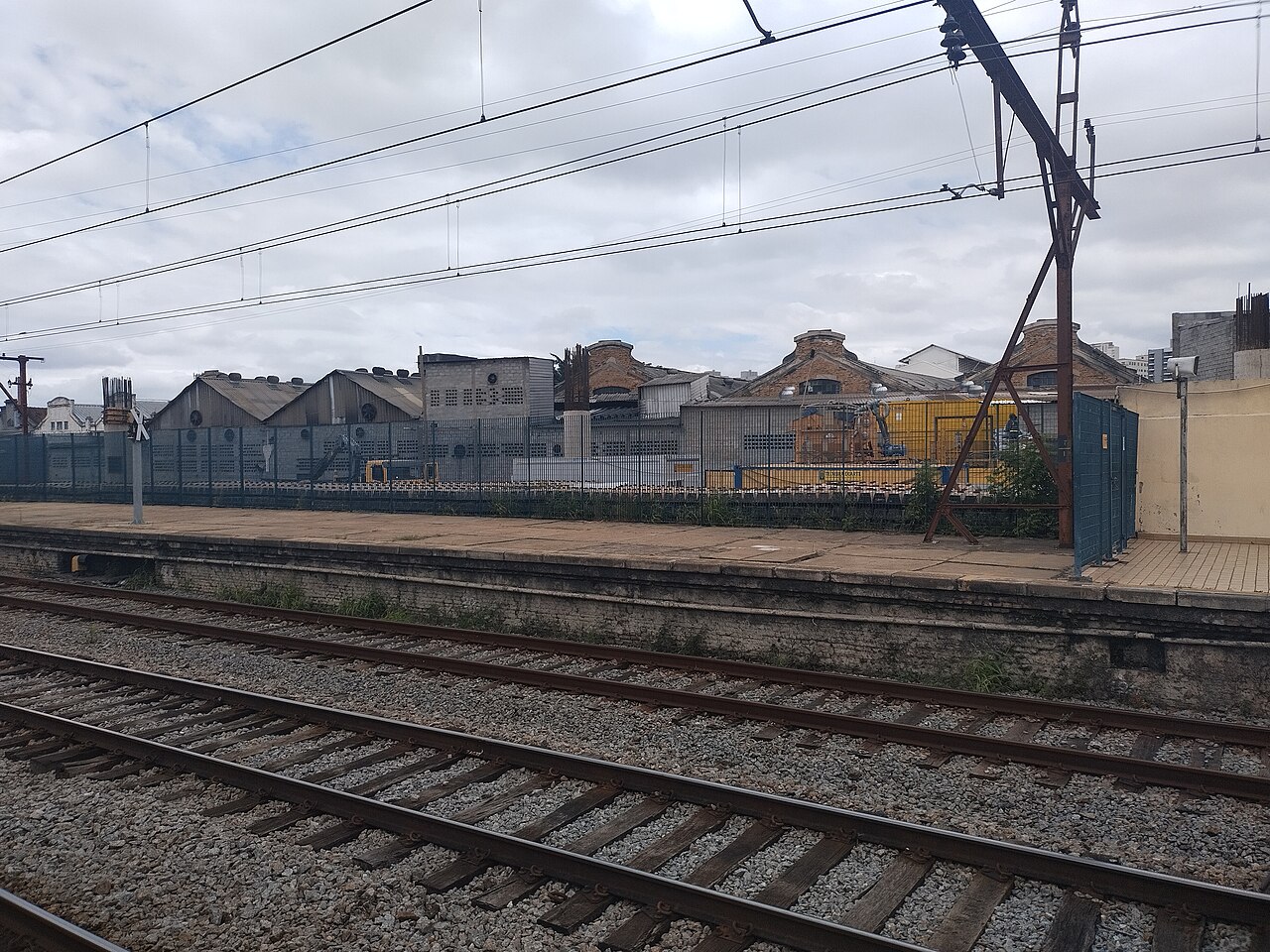
Image: Foto: Wikimedia Commons · License: cc-by-sa
Brazil 2054: The Plan to Double the Metro and Quadruple BRTs and LRVs
Brazil 2054: The Plan to Double the Metro and Quadruple BRTs and LRVs
Brazil is at a crucial moment for the transformation of its public transportation system, with massive investments planned for the coming years. Speed is also a form of civilization.
Brazil has embarked on an ambitious journey to modernize and expand its public transportation system, prioritizing the metro, BRTs, and LRVs. According to a study by the National Bank for Economic and Social Development (BNDES), the country needs to double the metro system and quadruple the BRT and LRV systems by 2054. The plan envisages investments of up to R$ 500 billion, aiming to meet the growing demand and restore users’ confidence in public transport.
The current metro network measures 376 km and is set to grow by another 323 km. Meanwhile, BRTs and LRVs would increase from 631 km to 2,500 km. This expansion aims to reverse the trend of declining public transport use, which lost 43% of passengers from 2014 to 2023, shifting to individual modes of transport. According to Felipe Borim, Superintendent of the Infrastructure Area at BNDES, the need for resource mobilization is enormous, and cheaper solutions like BRT have proven important for the country.
The main project, the National Urban Mobility Study, mapped 194 public transport projects for the plan. The metro, BRT, and LRV are central technologies in this effort, each with specific advantages. While the metro offers high capacity and efficiency, BRT and LRV provide more flexible and less expensive solutions. Each mode plays a crucial role in forming an integrated and efficient network capable of meeting complex urban demands.
In São Paulo, for example, the state government announced an investment of R$ 57 billion to expand the metro network by about 50 km. Additionally, R$ 14 billion will be allocated to 22 km of railway network. The works involve the expansion of several lines, including Line 2-Green, which connects Vila Madalena to Vila Prudente, and Line 4-Yellow, which will be extended outside the capital, a first in the system’s history. These expansions aim to improve connectivity and urban mobility, benefiting millions of inhabitants and reducing travel time.
In Rio de Janeiro, projects such as the expansion of Metro Line 4, connecting Jardim Oceânico to Alvorada, and the creation of Line 3, linking the center of Niterói to São Gonçalo, are among the initiatives analyzed by BNDES. These works promise to significantly increase transport capacity and the quality of life for citizens, providing viable and efficient alternatives to individual transport.
Furthermore, the national plan includes the construction of new lines and the modernization of existing systems, focusing on integration, energy efficiency, and comfort. Implementing these projects not only improves infrastructure but also generates jobs, stimulates the local economy, and contributes to environmental sustainability. The expectation is that, with the execution of these plans, the number of people served by high and medium capacity modes could grow substantially, as in the case of Fortaleza, where the number of users could increase by up to 501%.
The expansion of the metro, BRT, and LRV is fundamental for the modernization of public transport in Brazil. These investments aim to create an integrated and efficient network capable of meeting growing urban demands and promoting socioeconomic development. With the implementation of these projects, Brazil is moving towards a future of more sustainable and accessible mobility, strengthening its position as a country committed to progress and innovation.
According to the agency O Globo, the BNDES study points out that Brazil needs to double the metro system and quadruple BRTs and LRVs by 2054, with investments of R$ 500 billion. The expansion aims to meet the growing demand, as public transport lost 43% of passengers from 2014 to 2023, shifting to individual modes of transport. This movement reflects the importance of investing in modern and efficient infrastructure, prioritizing the well-being and mobility of citizens.
The modernization of public transport in Brazil is an essential step for the transformation of cities and the promotion of development. With the implementation of these projects, the country is preparing to face future challenges, ensuring a robust and efficient transport system capable of meeting the population’s demands and driving economic growth.
Signature: Editorial Staff