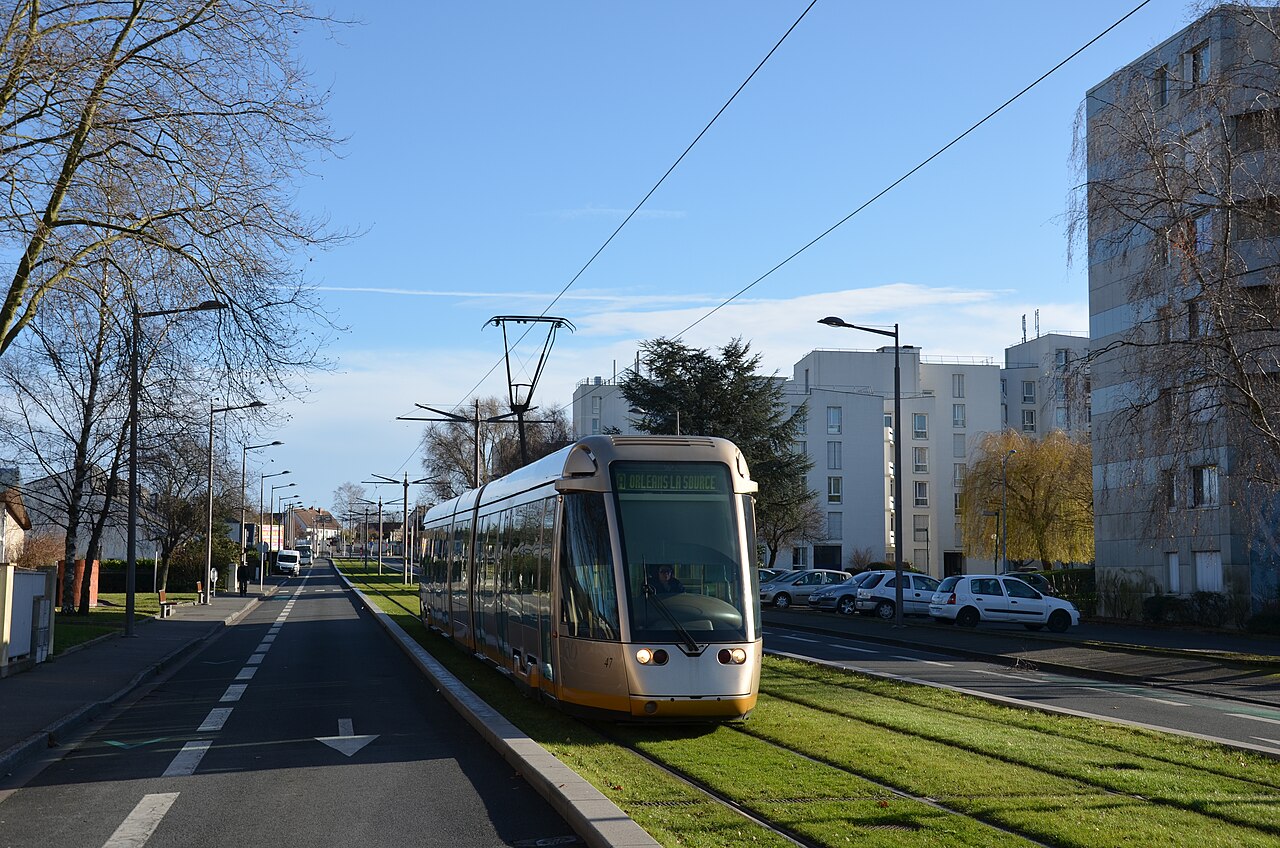
Image: Foto: Wikimedia Commons · License: cc-by-sa
Doubling the metro and quadrupling BRTs and LRVs: Brazil's urban mobility challenge until 2054
Doubling the metro and quadrupling BRTs and LRVs: Brazil's urban mobility challenge until 2054
Main source: Estudo do BNDES aponta que Brasil precisa dobrar metrô e quadruplicar os BRTs e VLTs, Uma década de VLT: Transporte mudou a paisagem, enfrentou o Centro esvaziado e projeta recuperação, Ferrovia para ligar o Atlântico ao Pacífico: veja o que se sabe até agora do projeto do Brasil com a China | G1 · By The Rail Post Desk
Investment in transportation infrastructure is fundamental for urban and economic development, prioritizing efficient and sustainable mobility.
When technology organizes space, society gains time to live. This statement becomes even more relevant when discussing the expansion and modernization of public transport in Brazil, especially with a focus on doubling the metro and quadrupling BRTs (Bus Rapid Transit) and LRVs (Light Rail Vehicles) by 2054. A BNDES study highlights the need for an investment of R$ 500 billion for the growth of public transport, with a direct impact on urban mobility and the country's economy.
Brazil needs to double the metro system and quadruple BRT and LRV systems by 2054, as indicated by the National Urban Mobility Study. The current metro network has 376 km and should grow by another 323 km, while BRTs and LRVs would increase from 631 km to 2,500 km. This ambitious plan aims to meet the growing demand, as public transport lost 43% of passengers between 2014 and 2023, shifting to individual transport.
The implementation of a BRT costs around R$ 50 million per kilometer, while the metro can reach up to R$ 1 billion per kilometer. According to Felipe Borim, Superintendent of the Infrastructure Area at BNDES, cheaper solutions like BRT are important for the country, although they have lower efficiency compared to rail transport. Borim participated in the “Caminhos do Brasil” meeting, an initiative of the newspapers O GLOBO and Valor Econômico and CBN radio, where he discussed the priorities and challenges of the sector.
Clarisse Cunha Linke, Executive Director of the Institute for Transportation and Development Policy (ITDP Brazil), emphasizes that all major cities will need to have BRT and metro complementing each other, well integrated. Each model has its advantages, and the integration of these modes is essential for the system's efficiency. The BNDES mapping sought public collective transport projects of medium or high capacity planned by states and municipalities in the 21 metropolitan regions analyzed, selected for having at least one million inhabitants each.
In a second phase, the bank conducted a critical analysis of the projects, removing those that did not make sense, considering the number of people served by the investment. This resulted in 192 initiatives. In Rio, projects such as the expansion of Metro Line 4, connecting Jardim Oceânico to Alvorada, and the creation of Line 3, connecting the center of Niterói to São Gonçalo, were analyzed. In São Paulo, works such as the growth of the Green Line from Cerro Corá to Vila Madalena and the construction of the Onyx Line, between São Bernardo do Campo and Bonsucesso, were in the initial screening.
According to Borim, the expectation is that the final list will be published in a few months. The projects have various levels of maturity, and some may start construction next year. The number of people served by high and medium capacity modes could increase by up to 501%, as in the case of Fortaleza, if the future network is effectively implemented, with an optimized scenario being built. This scenario depends on factors such as the integration of different modes into a single or reduced fare, policies to discourage car use, and the priority of these collective transports in traffic.
With this, public collective transport in Rio, for example, could increase from 1.6 million users to 5.9 million — an increase of 270%. In São Paulo, the increase would be 68%, from 8.9 million to 15 million people served. According to Denis Eduardo Andia, National Secretary of Urban Mobility at the Ministry of Cities, the trend of decline in public transport has been detected in different parts of the world due to the emergence of other forms of mobility, such as apps. The pandemic greatly exacerbated this trend, but the solution lies in medium- and long-term investments and good projects.
A concrete example of this transformation is the LRV in Rio de Janeiro, which completed ten years of operation. The mode, less polluting than buses, changed mobility and the urban space in the city center, but still operates below the projected demand. Recent fare integration with other transports and new urban developments are bets for growth. Inaugurated with only one line, the LRV faced challenges such as project delays, economic crisis, and the pandemic, which contributed to the emptying of the city center.
Feasibility studies predicted that, when the last line went into operation, the system would receive 243,777 passengers on weekdays, according to documents available on the website of the Carioca Partnership and Investment Company (CCPar). Currently, 95,000 people use the mode daily. Despite this, Silvia Bressan, Unit Director of VLT Carioca, explains that the context of the city and Brazil has changed, and recovery is underway. The Gentileza Terminal, inaugurated in 2024, was an important factor in this recovery, serving 78,000 passengers daily and currently attended by 16 bus lines and seven BRT lines, in addition to the LRV, which concentrates 11,400 of these users.
In addition to the Gentileza Terminal, the busiest stops are Cristiano Ottoni (next to Central do Brasil) and Candelária. There are also cases of changing demand over time, such as at Pereira Reis station, in Santo Cristo, which saw an increase in passengers after real estate launches in the area. The outlook is for growth, with the city government announcing new projects, such as Reviver Centro, Rua da Cerveja, the Maravalley tech hub, and Praça Onze Maravilha.
Beyond the challenges, the LRV and other public collective transport modes represent an opportunity to improve the quality of life in Brazilian cities. Investment in transport infrastructure is fundamental for urban and economic development, prioritizing efficient and sustainable mobility. With correct implementation and adequate integration, these systems can transform the urban landscape and offer more efficient and accessible options for the population.
RESUMO SEO: Brazil needs to double the metro and quadruple BRTs and LRVs by 2054, with investments of R$ 500 billion, aiming for urban mobility and the economy.