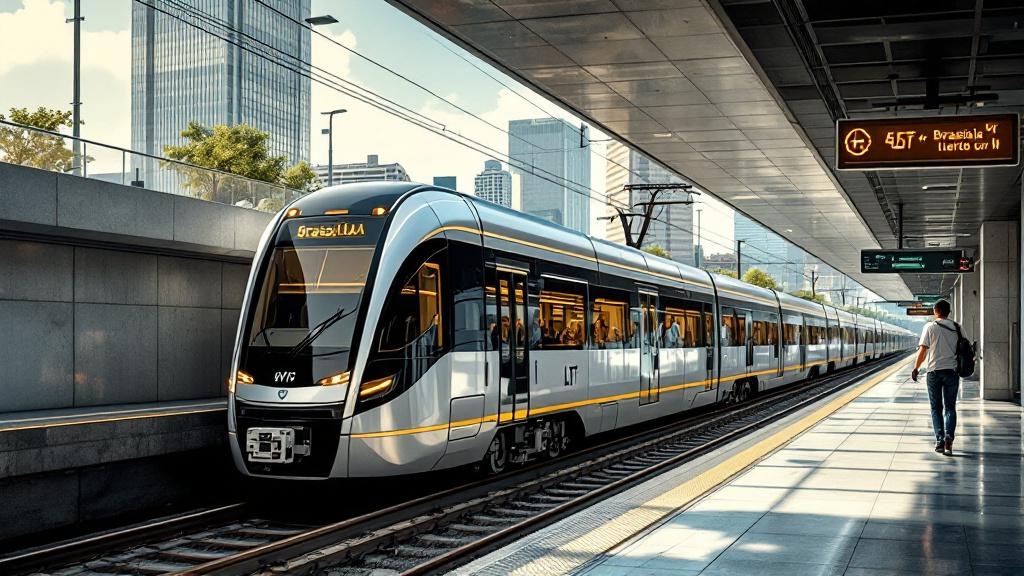
Image: AI-generated image based on The Rail Post editorial brief · License: ai-generated
Brasilia's LRT turns to APS technology to protect its modernist landscape
Ground-level power supply avoids overhead wires, respects the protected Plano Piloto and repositions W3 Avenue as a mobility corridor.
Main source: Metropoles, Via Trolebus, Agencia Gov and CNN Brasil · By The Rail Post Desk
Brasilia’s light rail project is being redesigned around a technical constraint that is also an urban virtue. The city wants modern transit without damaging the visual logic of its protected Plano Piloto.
The proposed answer is APS, or ground-level power supply. Instead of overhead catenary wires, power segments are embedded between the rails and activated only when the vehicle passes above them.
That choice responds to heritage concerns raised by Brazil’s preservation authorities. It also allows the capital to modernize mobility while respecting the landscape designed by Lucio Costa.
The current proposal includes 16 kilometers along W3 Avenue with 24 stations. Another six kilometers would connect the Asa Sul terminal to Juscelino Kubitschek International Airport.
The planned vehicles are 45 meters long and divided into seven articulated modules. Each train could carry between 400 and 560 passengers, depending on configuration and demand.
The total fleet is estimated at 39 trainsets. Thirty-three would serve the W3 corridor and six would operate the airport branch.
The investment is estimated at around R$3.9 billion. The concession model would transfer implementation, operation and maintenance responsibilities to the private sector for 30 years.
The most important feature is not the financial structure, however. It is the technical fit between urban design and rail engineering.
APS eliminates the poles and wires that would visually fragment a protected modernist axis. It also reduces conflicts with trees, public space and the civic scale of the city.
The technology is already used in systems such as Bordeaux and Dubai. Its adoption in Brasilia would show that high-standard rail technology can be adapted to sensitive urban environments.
The project could also reconnect W3 Avenue with daily city life. A reliable LRT corridor would support commerce, services and denser pedestrian activity along an avenue that has lost centrality over time.
From a transport planning perspective, the corridor would integrate with metro and bus terminals. That makes it a medium-capacity layer between heavy metro systems and road-based transit.
The engineering challenge is significant. Underground power segments must coexist with drainage, electricity and telecommunications networks already present in the corridor.
Low-floor vehicles would improve accessibility. Quiet electric operation and smooth acceleration would also reduce the environmental burden of urban travel.
For Brazil, the project is part of a wider rail revival. Cities including Sao Paulo, Fortaleza and Cuiaba are also advancing LRT or metro-light schemes.
The key issue is execution. Brazilian urban rail projects have often suffered from delays, procurement disputes and discontinuity.
If Brasilia can move from planning to delivery, the project may become a national reference. It would show that preservation and modern infrastructure do not need to be opposing agendas.
Sources consulted: Metropoles, Via Trolebus, Agencia Gov and CNN Brasil.